DRUG POLICY 101
-
Canada’s federal drug policy is largely governed by the Controlled Drugs and Substances Act (CDSA), which criminalizes the possession, production, and distribution of many substances. Enacted in 1996, the law reflects Canada’s participation in the global War on Drugs, a policy framework that has historically relied on criminalization and law enforcement to address drug use.
-
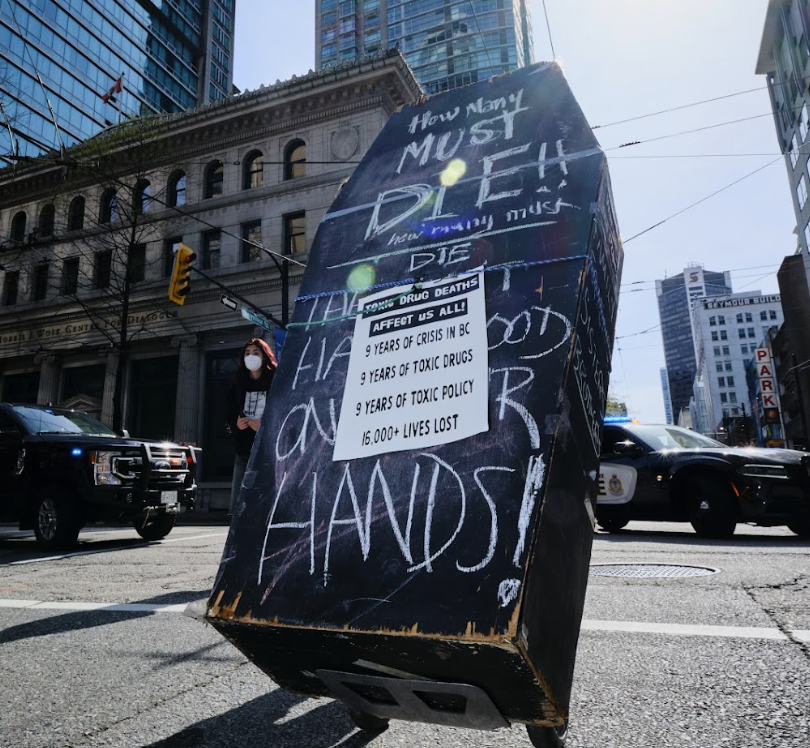
In response to the overdose crisis, British Columbia implemented several harm-reduction measures, including expanding Supervised Consumption Sites and launching a temporary decriminalization pilot under the federal Controlled Drugs and Substances Act. From January 2023 to January 2026, the exemption removed criminal penalties for adults possessing small amounts of certain drugs for personal use.
However, the province did not renew the exemption, and the pilot ended on January 31, 2026, meaning possession is once again subject to federal criminal law.
These temporary measures did not go far enough to address the scale of the overdose crisis. Lasting reform requires permanent decriminalization and a broader shift away from the punitive framework of the War on Drugs. A more effective approach would center public health by expanding harm reduction, implementing safer supply programs, improving access to treatment, and strengthening social supports for people who use drugs.In response to the overdose crisis, British Columbia implemented several harm-reduction measures, including expanding Supervised Consumption Sites and launching a temporary decriminalization pilot under the federal Controlled Drugs and Substances Act. From January 2023 to January 2026, the exemption removed criminal penalties for adults possessing small amounts of certain drugs for personal use.
However, the province did not renew the exemption, and the pilot ended on January 31, 2026, meaning possession is once again subject to federal criminal law.
These temporary measures did not go far enough to address the scale of the overdose crisis. Lasting reform requires permanent decriminalization and a broader shift away from the punitive framework of the War on Drugs. A more effective approach would center public health by expanding harm reduction, implementing safer supply programs, improving access to treatment, and strengthening social supports for people who use drugs.
-
The War on Drugs is a prohibition-based policy framework that relies on criminalization and law enforcement to control the production, distribution, and use of certain drugs. The term became widely known in the 1970s after Richard Nixon declared drug abuse “public enemy number one,” expanding punitive drug enforcement in the United States and influencing drug policy across the world.
-
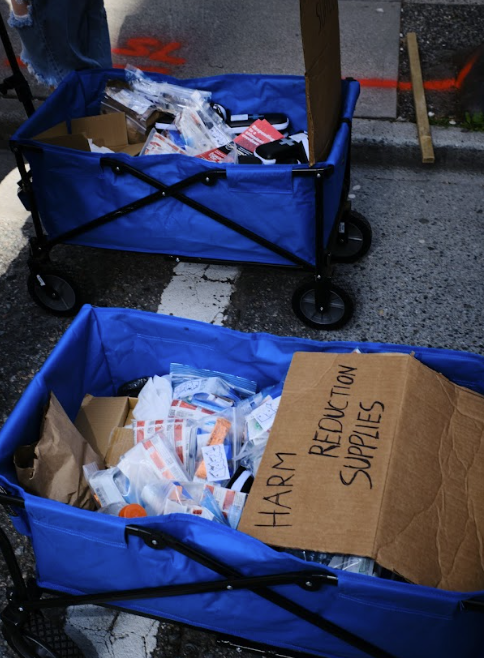
Harm reduction is a public-health approach that focuses on reducing the negative health and social impacts of drug use rather than trying to eliminate drug use entirely. Instead of punishing people who use drugs, harm reduction recognizes that drug use exists in society and prioritizes strategies that keep people alive, healthy, and connected to care.
-
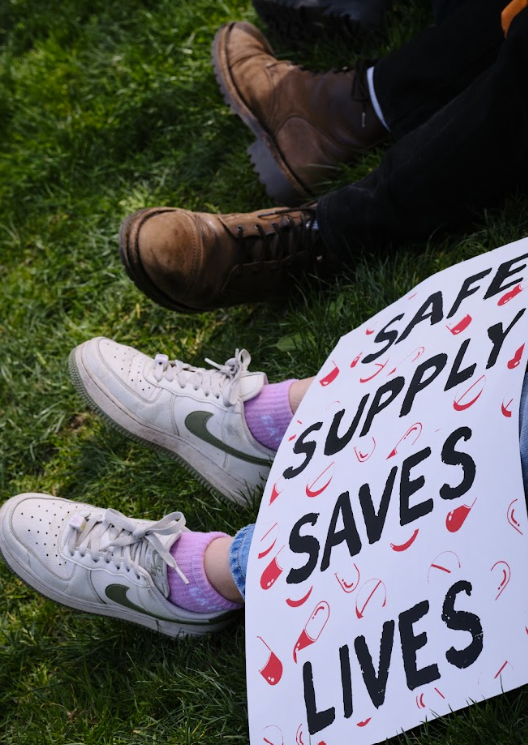
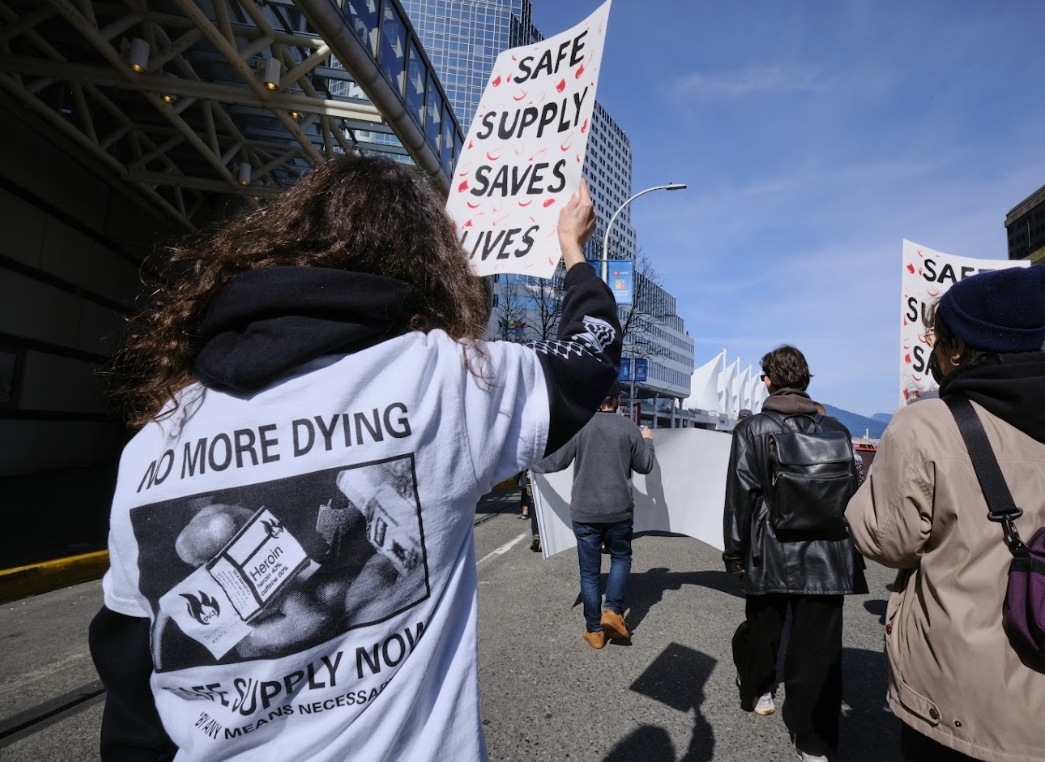
Safer supply is a harm-reduction approach that provides people who use drugs with regulated, pharmaceutical-grade substances as an alternative to the toxic and unpredictable illegal drug market. The goal is to reduce overdose deaths, poisoning from contaminated drugs, and other harms associated with the unregulated supply.